The Role of Chance in Gambling
When engaging in any form of gambling, chance plays an undeniable role. Casinos are designed around the idea that luck can shift the outcome of a game at any moment. For instance, slot machines function primarily on random number generators, meaning that no amount of skill can influence the outcome of your spin. This unpredictability is what keeps players coming back, hoping that the next pull of the lever or press of a button might be their lucky break, especially when they consider options like payid casino that enhance the excitement. The thrill of not knowing what will happen next is a significant part of why people are drawn to these games.
Moreover, games like roulette showcase luck’s influence vividly. Players make their bets based on personal strategies, but ultimately, the spin of the wheel determines the winner. Despite thorough research or a calculated approach, no player can predict where the ball will land. This element of surprise adds thrill and excitement to the gaming experience, reinforcing the idea that luck is a critical factor in casino games. The anticipation built around each spin or roll creates an exhilarating atmosphere that is hard to replicate in other forms of entertainment.
Even in games that involve skill, such as poker, luck still plays a significant role. While understanding probabilities and reading opponents are crucial skills, the cards dealt are entirely random. A player may rely on their tactical knowledge, but a poor hand can lead to defeat regardless of skill level. This blend of skill and luck creates a unique dynamic in casinos that makes them both exhilarating and unpredictable, showcasing that even the best strategies can falter when luck is not on your side.
The Psychological Impact of Luck
Luck in casinos does not only influence the games; it profoundly affects players’ psychology. The belief in luck can significantly impact the choices individuals make while gambling. For many, the idea of a ‘lucky streak’ can lead to increased bets and riskier behavior, driven by the excitement of potentially winning big. This psychological phenomenon can turn even the most cautious players into reckless gamblers, showcasing how luck can alter decision-making processes. The thrill of believing that one’s luck can change with the next turn often overrides rational thinking, leading to behaviors that could result in significant losses.
Conversely, bad luck can create a negative mental state. Losing streaks can lead players to chase their losses, resulting in further financial strain and emotional distress. When players start believing that their luck has run out, it can lead to a downward spiral of desperation and poor decision-making. Understanding that luck is a temporary state can help players maintain a balanced approach. Recognizing the impermanence of luck can lead to more sustainable gambling habits and a healthier relationship with gaming, allowing players to enjoy the experience without falling into the trap of emotional gambling.
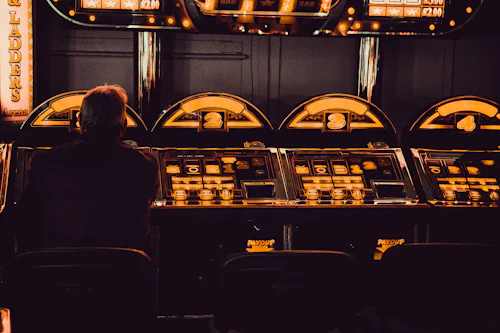
Ultimately, the concept of luck can also foster a sense of community among players. Sharing tales of miraculous wins, unexpected jackpots, or even close calls can create bonding experiences, forming friendships based on shared hopes. This communal aspect of gambling, driven by the unpredictable nature of luck, illustrates its importance in the overall casino experience. Players often gather around tables, exchanging stories and cheering for each other, which enhances the excitement and camaraderie of the gambling environment.
Understanding House Edge and Luck
The house edge is a fundamental concept in gambling that illustrates the casino’s statistical advantage over players. Every game has a built-in edge, ensuring that, over time, the casino earns more than it pays out. However, luck can temporarily supersede the house edge, allowing players to win against the odds. For instance, a player might walk into a blackjack table with a fundamental strategy and enjoy a lucky streak, hitting multiple winning hands in a row. This instance showcases how luck can sometimes overwhelm the statistical advantages that casinos hold.
However, as the game progresses, the house edge asserts itself, and the tides may turn. This dynamic reinforces the notion that luck is an essential factor, temporarily overshadowing mathematical probabilities. Players might experience moments of success that feel monumental, but understanding that these moments are often short-lived can help set realistic expectations. This balance between favorable and unfavorable outcomes adds layers of complexity to the gambling experience, reminding players that while luck plays a significant role, the house edge remains ever-present.
Understanding the relationship between house edge and luck is crucial for anyone looking to gamble responsibly. While luck may facilitate a few wins, the house edge remains a constant reminder that consistent winnings are not sustainable. This knowledge empowers players to approach gambling with realistic expectations while still enjoying the thrill that luck can bring to their experience. Acknowledging this dynamic can lead to more informed decisions and a more enjoyable experience overall, as players learn to appreciate the role that luck plays in their gaming adventures.
The Limitations of Skill and Strategy
Many players enter casinos with the belief that skill and strategy can assure them success. While these elements are undeniably important in some games, luck often remains the ultimate determining factor. For instance, even the most skilled poker player can be dealt an unfortunate hand, leading to loss despite their strategic prowess. This highlights the transient nature of skill in the face of luck, where the cards can quickly change the game’s outcome. Players must accept that no strategy can completely eliminate the unpredictability that luck brings to the table.
In games like craps or baccarat, strategic choices may correlate with better odds, but luck still dictates the roll of the dice or the draw of the cards. Players may employ sophisticated strategies to optimize their gameplay, yet these strategies can fall flat if luck is not on their side. This unpredictability is what adds to the allure of casinos; no strategy can guarantee success amidst the whims of fortune. Understanding this nuance can help players develop a healthier relationship with gambling, as they learn to balance their skills with the inherent uncertainties of chance.
Furthermore, the limitations of skill and strategy in affecting outcomes remind players to maintain a healthy perspective on gambling. It’s essential to understand that while skill can provide an advantage, it cannot replace the influence of luck. Accepting this reality can lead to more enjoyable experiences, as players learn to appreciate the unpredictable nature of gambling and focus on the entertainment aspect rather than solely on winning. This acceptance can transform gambling from a high-stakes endeavor into a source of fun and excitement.
Final Thoughts on Luck in Casinos
In conclusion, luck is a fundamental aspect of the casino experience that impacts every game and player. Its unpredictable nature creates excitement and keeps players engaged, demonstrating that outcomes often hinge more on chance than on skill or strategy. While players can employ techniques and strategies to improve their odds, the role of luck cannot be overstated. This understanding can help players embrace the thrill of gambling while recognizing the risks involved.
Moreover, the psychological effects of luck—shaping decisions and influencing behavior—reinforce its significance within casinos. By understanding the balance between skill, strategy, and luck, players can develop healthier attitudes toward gambling, encouraging responsible behavior while still enjoying the thrill of chance. This perspective can lead to a more fulfilling gambling experience, where players prioritize enjoyment over the pressure to win.
Ultimately, the nature of luck in casinos is multifaceted, involving emotional, psychological, and mathematical dimensions. Embracing the unpredictability of luck can lead to a more enjoyable and fulfilling gambling experience, allowing players to focus on the thrill of the game rather than the outcomes. Explore this fascinating world, understanding the integral role luck plays in every spin of the wheel and roll of the dice, and appreciate the unique blend of chance and skill that makes casinos captivating.