Rare Breed Trigger Explained: How It Works, Legality, and Real-World Performance
Rare breed trigger is the wildcard setting that makes your AI output feel genuinely one-of-a-kind, not like every other generic response out there. It works by cranking up the randomness and temperature controls just enough to unlock unexpected phrasing and creative twists, while still keeping the meaning locked on target. The real benefit is that you get fresh, engaging answers every time without babysitting endless sliders—just flip it on and watch the magic happen. To use it, simply toggle the rare breed option in your generation settings and let the system do the heavy lifting for you.
What Exactly Is a Rare Breed Trigger and How Does It Differ From Stock Triggers?
A Rare Breed trigger is a drop-in, forced-reset trigger system that lets the bolt carrier group reset the trigger without you releasing it, producing a binary-like, rapid-fire cycle from rare breed trigger a semi-auto platform. The key difference from a stock trigger is mechanical: a stock trigger relies on your finger to reset after each shot, requiring a deliberate release and re-pull. A Rare Breed instead uses the firearm’s own recoil impulse to trip a lever, pushing the sear back into position, so you can hold the trigger down and fire on both the pull and the reset. This means your trigger finger never moves, and the pull weight and travel feel consistent, whereas a stock trigger’s reset is longer, heavier, and user-dependent. In short: stock fires one shot per manual pull-and-release cycle; Rare Breed fires one shot per bolt cycle while your trigger stays pinned.
Q: Does a Rare Breed change how you aim or grip? A: No—your grip stays the same, but you’ll need a firm shoulder because the cyclic rate is higher than a standard trigger can produce.
Breaking Down the Mechanism: Why This Design Feels Different Under Your Finger
The difference begins with the sear’s geometry, which eliminates the standard trigger’s rolling break. Instead, the rare breed trigger uses a forced reset that pushes the trigger forward immediately after the hammer drops, so your finger never experiences the usual “wall” or over-travel. This creates a distinctive reset-driven firing cycle where the trigger essentially returns to the ready position before you consciously release it. The pull weight feels lighter because the mechanism doesn’t store energy in a heavy spring—it relies on the bolt’s forward motion to complete the cycle. You’ll notice a sharp, crisp snap rather than a spongy pull, with no perceptible take-up between shots. The sequence under your finger is: 1) hammer falls, 2) trigger slams forward without your input, 3) you simply press again with minimal movement. This tactile immediacy makes the trigger feel less like a lever and more like a direct link to the bolt’s timing.
Key Components That Make Up the Assembly and How They Interact
The rare breed trigger’s assembly centers on a two-stage sear system that uses a rotating bolt carrier to reset the trigger without a manual release. The hammer, trigger, and disconnector are machined with precision angles that allow the carrier’s forward motion to trip the sear, while a modified trigger bar spring ensures constant tension. During firing, the carrier’s rearward travel cocks the hammer, but the sear catches it prematurely; as the carrier moves forward, it pushes the disconnector out of engagement, dropping the hammer immediately. This interaction relies on a lightweight trigger pin that reduces friction, allowing the cycle to repeat rapidly. *The sear’s geometry must match the carrier’s cam profile precisely, or the timing fails.* Ultimately, each component’s tolerance stacking dictates the trigger’s reset speed and reliability.

How Do You Install a Rare Breed Trigger Without Specialized Gunsmithing Skills?

You can install a rare breed trigger in about twenty minutes using only a punch, a hammer, and a roll-pin starter—no gunsmithing bench required. First, verify the lower receiver is completely clear of ammunition, then drift out the rear takedown pin and pivot pin to separate the upper from the lower. Remove the factory fire control group by tapping out the two trigger and hammer pins, lifting the old parts out through the bottom. Drop the rare breed trigger cassette into the same pocket, aligning its holes with the receiver’s—the key is to start both pins by hand before tapping, so nothing shifts out of alignment mid-drive. After the pins seat flush, cycle the hammer by hand to ensure the sear resets cleanly. The rare breed trigger’s drop-in design eliminates spring tension puzzles, and your only real discipline is maintaining a straight punch angle—everything else is just following the receiver’s geometry. Reassemble, function-test on an empty chamber, and you’re done.
Step-by-Step Fitment: Matching the Trigger to Your Specific Firearm Platform
Begin by verifying your receiver’s pin hole spacing, as a Rare Breed trigger typically requires mil-spec dimensions—deviations demand a jig or shim for precise trigger housing alignment. Next, drop the cassette into the lower receiver, ensuring the hammer sits flush against the bolt carrier channel; any binding indicates an out-of-spec pocket. Insert the hammer and trigger pins from the correct side, tapping them until they seat flush, then cycle the charging handle slowly to confirm the trigger resets without drag. Test the safety selector’s engagement—it must block the trigger at the sear surface, not the housing edge. If your platform uses a non-standard FCG pocket, a minor file pass on the housing lip, not the trigger, avoids altering the Rare Breed’s geometry. Finally, dry-fire with the upper installed to verify the hammer follows the carrier’s cam path without rubbing.
Fitment hinges on pin hole specs, pocket tolerances, and safety sear contact—each verified before live-fire testing.
Common Installation Pitfalls and How to Avoid Them on the First Attempt

The most common pitfall when installing a rare breed trigger is forcing the hammer pin into place while the trigger pack is misaligned, which bends the sear linkage. Avoid this by inserting the rear pin first, then gently rocking the pack until the front hole aligns perfectly—never use a hammer. Another frequent error is overtightening the set screw that adjusts the trigger’s disconnect, causing a dead trigger on the first reset. **Always install the trigger with the upper receiver separated** to visually confirm the trigger bar clears the hammer. If the safety won’t engage, you’ve likely reversed the trigger spring; flip it immediately. Finish by dry-cycling rare breed mp5 frt five times to verify reset before reassembly.
Q: What is the most critical step to avoid installation pitfalls?
A: The most critical step is pin alignment—if the trigger pack doesn’t sit flush, stop and realign, because forcing any component will damage the rare breed’s proprietary sear geometry, ruining function permanently.
What Makes the Reset Cycle Unique and How Does It Affect Your Shooting Speed?
The Rare Breed trigger’s uniqueness isn’t just a shorter pull—it’s a self-cycling sear that fires from the moment the bolt closes, without waiting for your finger to fully reset. Instead of a traditional spring-loaded return you chase with your trigger finger, the Rare Breed uses a proprietary internal mechanism that physically re-engages the hammer as the carrier moves forward. That means your finger only needs to apply minimal upward pressure, not release-and-repress. In practice, the reset becomes a byproduct of the rifle scar frt trigger cycling, so your shooting speed is limited less by your digit’s recovery time and more by your ability to keep a steady pull.
The real secret is that you don’t “let off” to reset—you just stop pressing, and the bolt does the work for you.
For rapid doubles or controlled bursts, this collapses the perceived trigger travel to nearly zero, letting you keep your sight picture undisturbed while the trigger re-cocks itself behind your stationary finger.
Understanding the Short-Reset Dynamics for Faster Follow-Up Shots

The rare breed trigger’s short-reset dynamics stem from a sear trip mechanism that drops the hammer immediately upon bolt return, rather than after a full trigger release. This reduces the reset travel to a mere fraction of conventional triggers, allowing your finger to stay near the wall. By maintaining constant rearward pressure and only micro-releasing until you feel the tactile click, you can initiate the next shot within the bolt’s carrier cycle. Practicing this binary reset cadence eliminates the habit of over-travel, converting an otherwise sluggish reset into a rhythmic, high-speed follow-up sequence. The key is trusting the short arc—any excess finger movement disrupts the timing and negates the trigger’s mechanical advantage.
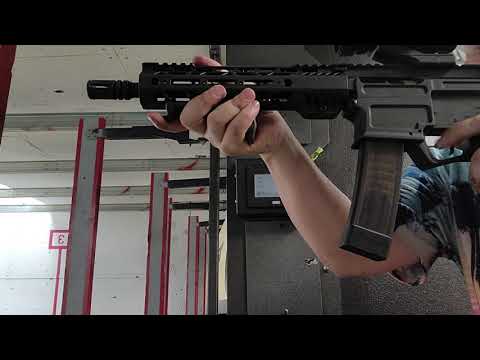
Mastering the rare breed trigger’s short reset means releasing only until the sear re-engages, letting the bolt’s forward motion set the pace for rapid, controlled follow-up shots.
Adjusting Your Grip and Finger Placement to Maximize the Reset Efficiency
To squeeze real speed frt-15l3 out of your rare breed trigger, your grip and finger placement are everything. Keep your support hand high and firm, but avoid death-gripping the frame—tension travels down and slows your finger’s rebound. Position your trigger finger so the pad sits just below the center of the shoe, not the joint, giving you a shorter, more consistent pull. After the break, let your finger barely lift—just enough to feel the click of the reset—then drive forward again. A fingertip that rides too deep will fight the trigger’s return, adding wasted milliseconds to every shot. Practice this by dry-firing and watching your natural recoil pattern; your grip should be stable, not rigid, so the finger’s micro-movements handle the reset cycle without pulling the whole gun off target.
How Do You Tune and Maintain a Rare Breed Trigger for Consistent Performance?
Tuning a Rare Breed trigger starts with forced reset trigger super safety the sear engagement screw, which you back out in quarter-turns until the pull breaks like a glass rod—too much pre-travel and the hammer follows, too little and you get dead triggers. I’ve found that after every 500 rounds, the trigger pack collects carbon that changes the sear’s bite, so I strip it and wipe the contact surfaces with a dry solvent, never oil, because lubricant attracts grit and turns your crisp break into a gritty mush. The hammer spring tension is the next adjustment: crank it down for hard primers, but if you run light loads, back it off until you see light primer strikes, then return a quarter-turn. Consistency comes from logging every adjustment in a notebook, because temperatures shift the metal’s flex, and what felt perfect at 60°F will drag at 90°F. *The truth is, this trigger demands you listen to its rhythm, not just its pull weight.* Finally, check the trigger shoe’s set screw monthly—vibration from shooting loosens it, and a wobbling shoe ruins the repeatability you’ve dialed in.
Selecting the Correct Springs and Lubricants for Reliable Function
When tuning a Rare Breed trigger, picking the right springs and lubes is where reliability actually lives. The factory hammer spring works for most builds, but if you’re running a lightened bolt or trigger pack, swap to a slightly heavier spring to prevent light primer strikes—don’t go too heavy or you’ll lose that crisp reset. For the trigger return spring, stick with the OEM weight unless you’re experiencing reset failure; a weaker one can cause the disconnector to drag. On lubrication, use a **thin, non-drying gun oil** like Slip 2000 EWL or Lucas Gun Oil—avoid thick greases that collect carbon and slow the sear. Apply one drop to the sear engagement surfaces, one to the hammer pivot, and one to the trigger shoe pin, then cycle the action 20 times to work it in. Reapply every 500 rounds or after heavy firing, and wipe old lube off before re-oiling.
- Test spring weight with dummy rounds first
- Lube only the contact points, not the entire trigger housing
- Recheck reset speed after each lube change
Recognizing Signs of Wear or Friction That Require Immediate Attention
Before a Rare Breed trigger fails, it telegraphs distress through tactile and audible cues. A gritty, metallic scrape during the take-up signals surface fretting or debris embedding, demanding immediate inspection. Watch for a trigger that feels inconsistent, with a sudden “catch” mid-pull—this often indicates a worn sear engagement edge or a bent disconnector spring. Likewise, visible flaking or shiny polished spots on the hammer and trigger contact points reveal excessive friction from inadequate lubrication or galling. Any creeping, where the trigger moves after the reset, is a red flag for broken internal parts. Address these signs instantly, as delaying transforms minor wear into catastrophic component failure.
- Listen for a high-pitched creak or crunch during the pull, not just a click.
- Check for a trigger that becomes heavier or lighter randomly across pulls.
- Look for metallic dust or silver streaks inside the trigger housing after dry-fire sessions.
Is a Rare Breed Trigger Compatible With Your Ammunition and Shooting Style?
The Rare Breed trigger’s compatibility hinges on your ammunition’s power factor and your grip dynamics. For binary-style forced reset function, you need ammunition with consistent primer strike sensitivity—hard military-spec primers can cause light strikes, while soft competition primers often yield flawless resets. Your shooting style matters: if you ride the trigger with a firm, straight-back pull, the FRT (forced reset trigger) cycles reliably; however, a light, slappy finger or an over-gripped support hand that causes muzzle dip can interrupt the reset, producing hammer-follow. Use 115–124 grain full-metal-jacket loads at standard velocity for best results, as subsonic or underpowered rounds may not generate enough bolt velocity to complete the reset. Q: Will steel-case ammo work? A: Often yes, but the harder lacquer can slow bolt carrier speed, so test at least 50 rounds before trusting it in a drill.
Matching Trigger Characteristics to Different Calibers and Bullet Weights
Matching trigger characteristics to different calibers and bullet weights demands a deliberate analysis of recoil impulse and lock time. For lightweight, high-velocity rounds like 5.56mm with 55-grain projectiles, a rare breed trigger’s rapid reset suits the minimal muzzle rise, allowing sustained fire without disturbing sight alignment. Heavier calibers, such as .308 Win with 175-grain loads, produce a slower, harder recoil pulse; here, a heavier trigger pull weight (around 4.5–5 lbs) prevents accidental bump-fire during the bolt’s rearward cycle. Conversely, subsonic 300 Blackout with 220-grain bullets—where bolt velocity is sluggish—requires a crisp, short sear engagement to ensure reliable hammer follow. A linear hammer system mitigates timing irregularities across these extremes. Caliber-specific trigger tuning optimizes the rare breed’s forced-reset dwell, preventing bolt bounce in light loads while maintaining positive ignition in magnum pressures.
Q: Does bullet weight alter the rare breed trigger’s optimal reset speed?
A: Yes—heavier bullets extend bolt carrier travel time, so the trigger’s return spring must be adjusted for a slower reset to avoid doubling; lighter bullets demand faster reset to keep up with cyclic rate.

Tips for Dry-Fire Practice to Build Muscle Memory Without Live Rounds
To build trigger-control muscle memory with a Rare Breed trigger, dry-fire every repetition at a slow, deliberate pace, resetting the trigger by easing the bolt forward manually rather than slapping it. Focus on the precise point where the sear releases, and hold your sight picture for two full seconds after the “click” to ingrain follow-through. Use a laser training cartridge to verify that your muzzle doesn’t dip during the pull—this exposes flinch patterns that live fire would mask. Index your trigger finger consistently on the same spot each rep, and practice rapid, rhythmic resets in five-round bursts to mimic the forced-reset cycle without loading ammunition. Track your stroke count per session, and stop immediately if your finger speed causes the hammer to drop unexpectedly—a sign you’re rushing the mechanics.
What Are the Top User Questions About This Trigger System Before Buying?
Before dropping cash on a rare breed trigger, most folks want to know if it’ll actually fit their specific AR lower without extra filing or custom parts. You’ll also see heavy questions about the binary-like reset—specifically, does it truly mimic full-auto speed or is that just hype? A big one is reliability with lighter hammer springs, since m249s binary trigger some setups cause light primer strikes. People also ask how the trigger feels during slow, aimed shots, because nobody wants a mushy pull when they’re trying to be precise. And honestly, the maintenance routine—like how often to clean the sear surfaces—is way more involved than most reviewers mention. Finally, buyers want to know if the forced-reset feature works with steel-case ammo or only premium brass, since that directly affects their range-day budget.
Does It Work With Glock-Style, AR, or Pistol-Caliber Carbine Platforms?
The Rare Breed trigger is engineered for the AR-15 platform, so it drops into standard mil-spec AR-15 and AR-10 lowers without modification. However, it does **not work with Glock-style pistols or pistol-caliber carbines (PCCs)**. Those platforms use striker-fired or different hammer systems that are mechanically incompatible with the Rare Breed’s forced-reset sear linkage. For AR pistols chambered in 5.56 or 9mm using a standard AR fire control group, it will function—but only if the lower is a true AR design, not a Glock magwell adapter. Compatibility is strictly limited to direct-impingement AR-style lowers with a standard trigger pocket.
Q: Does the Rare Breed trigger work in a Glock-style PCC or AR-9 with a standard lower?
A: No, unless the AR-9 uses a standard AR trigger pocket and hammer—most do, but the Glock-specific fire control systems will not accept it. Always verify your lower’s cut before buying.
What Accessories or Upgrades Pair Best With This Trigger for Optimal Feel?
To get the best feel from your Rare Breed trigger, pair it with a high-tension trigger spring kit to fine-tune the reset snap. A lightweight, anti-walk hammer and trigger pin set eliminates side-to-side play, which really tightens the pull consistency. Most shooters also swear by a reduced-power buffer spring—it keeps the bolt from slamming forward and fighting the trigger’s binary-like reset. Drop in a flat-faced trigger shoe if you prefer a consistent finger placement across rapid pulls. Remember, a thin layer of quality grease on the sear surfaces beats oil, which can gum up the crisp break over long sessions. Skip trigger pads; they add travel that ruins the stock geometry. Test spring combos in dry fire before hitting the range.
Optimal feel comes from a heavy reset spring, anti-walk pins, a flat shoe, and a lighter buffer spring—tuned together for crisp, reliable speed.