The Nature of Luck in Gambling
Luck is often portrayed as a mysterious force that can dramatically influence outcomes, especially in the context of gambling. In casinos, where games are designed around chance, luck plays an essential role that can elevate a player’s experience from mundane to exhilarating. This unpredictability is a significant attraction for many gamblers, as it adds an element of suspense and excitement. The essence of many casino games, from slot machines to card games, hinges on the random outcomes that luck provides, such as those found at 1win which offer a variety of engaging experiences. Players come to expect this uncertainty, which fuels their desire to engage with the games, knowing that a single spin or hand could yield life-changing results.
Moreover, players often believe in their unique luck, which can manifest in various forms, such as streaks of wins or losses. This notion of personal luck can psychologically enhance a player’s performance, as they may approach the game with increased confidence when they feel ‘lucky.’ This mindset impacts decision-making, often leading players to make bolder bets or take risks they otherwise might avoid. For instance, a player who has just won a small jackpot may feel emboldened to increase their stakes, believing their luck will continue to shine. Thus, the perception of luck not only affects outcomes but also enhances the overall gambling experience.
Additionally, the role of luck extends beyond individual players to the casino environment itself. For instance, a casino may experience a lucky streak in attracting customers on certain nights, leading to increased revenue. This phenomenon underscores how luck can shape the broader gambling culture. The intertwining of luck with strategic play creates a complex fabric that defines both personal success and the operational success of casinos. Ultimately, understanding the nature of luck helps illuminate why it remains a central theme in the world of gambling, captivating players and operators alike.
The Psychological Impact of Luck on Players
The psychological effects of luck in gambling cannot be understated. Players often engage in superstitious behaviors, such as wearing lucky charms or following specific rituals before they play. These behaviors stem from a desire to harness luck to their advantage, demonstrating how deeply intertwined luck is with the gambling psyche. For example, a player might tap the machine three times before pulling the lever or refuse to change their seat after a series of wins. When individuals associate personal items or actions with successful outcomes, it can foster a sense of control amidst the inherent randomness of gambling, leading to a more enjoyable experience.
Furthermore, cognitive biases, such as the gambler’s fallacy, show how players misinterpret lucky streaks. For instance, a player may believe that after several consecutive losses, they are ‘due’ for a win, leading them to continue playing longer than they typically would. This fallacy can result in both emotional highs and lows, impacting their overall gambling strategy. Players may find themselves trapped in a cycle of hope and despair, misunderstanding that each spin or hand is an independent event. Understanding these psychological impacts illustrates why luck is not merely a numerical probability but a significant factor in players’ decision-making processes.
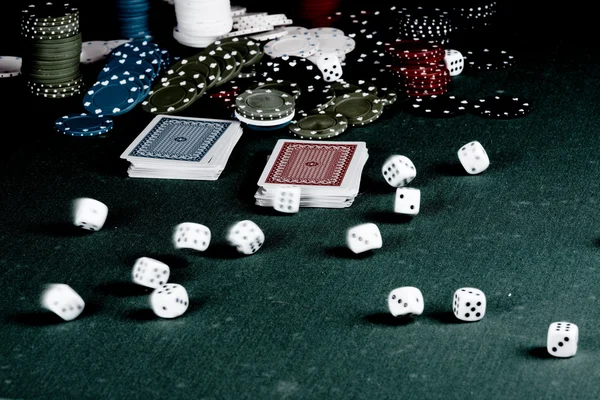
In addition, the emotional rollercoaster of gambling, fueled by luck, can enhance social interactions within the casino. Players may share their stories of luck and bad luck with fellow gamblers, creating bonds over shared experiences. These interactions are vital in fostering a community atmosphere, contributing to the overall allure of casinos. The excitement of collective experiences, whether celebrating a big win or commiserating over a loss, adds a layer of social engagement that enriches the gambling experience. Thus, the psychological aspects of luck not only influence individual players but also enhance the communal experience, making luck a critical element in casino success.
Luck’s Historical Role in Gambling
Historically, luck has been a cornerstone of gambling practices across cultures. Ancient civilizations utilized various forms of chance-based games, highlighting the long-standing appeal of luck. For instance, dice games, which rely entirely on luck, have been found in archaeological sites worldwide, showing that the concept of luck has been integral to gaming for centuries. This historical perspective offers insight into why luck continues to be celebrated in modern casinos as a fundamental characteristic of the gambling experience. From the earliest forms of gaming to today’s sophisticated casino setups, the allure of luck remains unchanged.
Moreover, the evolution of gambling games has mirrored society’s changing relationship with luck. As games became more sophisticated, incorporating elements of strategy alongside luck, the perception of luck shifted from being merely a random occurrence to an essential component of game design. Casino operators understand this dynamic, often emphasizing the role of luck in marketing campaigns to attract potential players seeking that thrill. For example, the marketing of new slot machines often highlights their ‘lucky’ features, enticing players to try their hand at winning. Therefore, luck remains an enduring theme that resonates with players, creating a historical continuum within gambling culture.
Additionally, examining historical gambling practices reveals how luck has been depicted in literature and popular culture, further reinforcing its significance. From Shakespeare to modern films, the narrative of luck in gambling often highlights the tension between fate and free will. This cultural representation affects contemporary perceptions of luck in casinos, suggesting that the allure of risking it all for a stroke of good fortune has been a captivating human fascination throughout history. As luck continues to be woven into the fabric of gambling, it serves as a reminder of our collective desire for unpredictability and excitement.
Strategies That Incorporate Luck
While luck plays a predominant role in gambling, many players adopt strategies to maximize their chances of success. These strategies often attempt to quantify or systematize luck, such as betting systems or bankroll management techniques. Players might use various methods, like the Martingale system or other progressive betting strategies, aiming to mitigate losses or capitalize on winning streaks. However, these strategies often hinge on the unpredictable nature of luck, and players must remain aware that no strategy can guarantee success fundamentally rooted in chance. The balance between strategy and luck is what makes gambling both challenging and exhilarating.
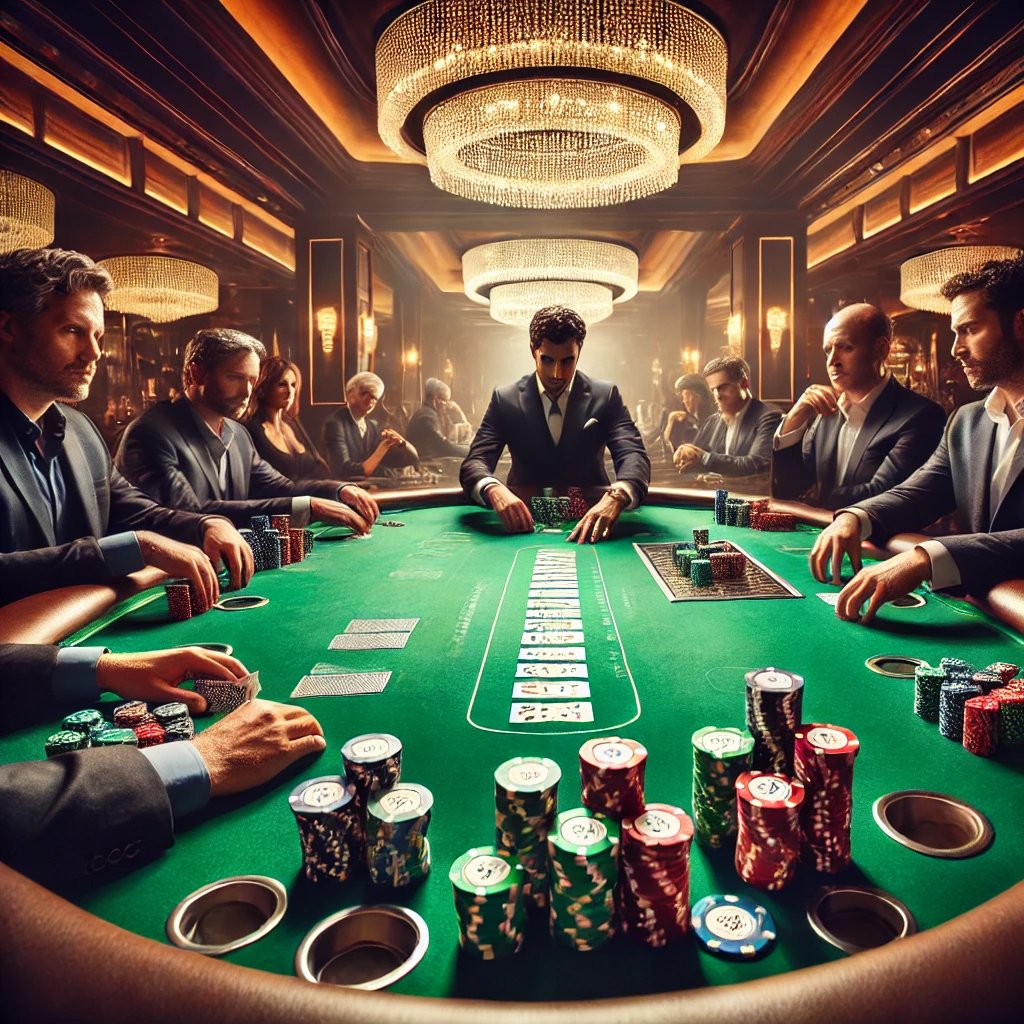
Moreover, recognizing the role of luck in gaming outcomes empowers players to adopt a more balanced approach to gambling. When players accept that luck will dictate substantial portions of their success, they can focus on factors they can control, such as bankroll management and game selection. For instance, choosing games with better odds or those that require skill can improve winning chances, albeit luck is still a significant influence. This understanding fosters a healthier gambling mindset, where players can enjoy the thrill of chance without succumbing to risky behaviors that could lead to negative consequences.
In a sense, integrating luck into gambling strategies leads to an enriching experience rather than purely a financial endeavor. When players recognize the unpredictable elements of luck, they can cultivate patience and resilience, essential virtues for navigating the ups and downs of casino gaming. This duality of embracing luck while also employing strategy is what makes gambling an intriguing pursuit, allowing for both thrilling highs and sobering lows in every gaming session. The combination of strategic play and acceptance of luck can provide players with a more fulfilling gambling experience overall.
Conclusion: The Role of Luck in Casinos and Beyond
In conclusion, the importance of luck in casino success cannot be overstated. Whether viewed through the lens of individual psychology, historical context, or strategic play, luck remains a central theme in the gambling experience. The excitement generated by unpredictable outcomes draws players to casinos, fosters community interactions, and creates memorable experiences. As long as luck persists as a factor in gambling, it will continue to be a topic of fascination and conversation among players and operators alike. This ongoing dialogue around luck not only enriches the gambling experience but also reinforces the social fabric that casinos nurture.
Moreover, the recognition of luck’s role can lead to a more responsible and enjoyable gambling environment. Players who understand that luck is a significant aspect of gaming can approach it with a balanced mindset, focusing on enjoyment rather than solely on winnings. This awareness cultivates a healthier relationship with gambling, emphasizing that the thrill of chance is what makes the experience worthwhile. The recognition of luck also allows players to engage in gambling with a sense of adventure rather than desperation.
Ultimately, whether exploring strategies, celebrating lucky moments, or simply enjoying the atmosphere of a casino, luck is the thread that weaves together the world of gambling. It enriches the culture of casinos and serves as a reminder that chance is an integral part of life’s unpredictable journey. As players continue to seek their fortune, the enduring nature of luck will remain a cornerstone of the casino experience, inviting all those who dare to try their luck.